successfully added to your cart!
To Check out
14:08 | Tue | 29 December 2020
Restaurant Concept Design: How to Build a Concept That Works
Short answer: a strong restaurant concept starts with a clearly defined target guest, a distinctive selling proposition and a consistent theme that carries through the menu, branding and interior. Furniture and layout should then follow that concept, not the other way round.
Restaurant concept design and development is a complex process, and bringing all its different aspects together is one of the biggest challenges any restaurant faces. A full understanding of the conceptual design framework is crucial whether you are starting a new operation or redesigning your current layout.

How long does it take to develop a restaurant concept?
Developing your concept can take anywhere from a few weeks to six months, depending on your creative team and your experience with similar projects. Concept development is much more than arranging restaurant chairs or planning the interior layout; it is ultimately what your business will look like when finished. It involves a whole host of interconnected considerations:
- Vision, value proposition and point of difference
- Industry research and innovation
- Design, branding and marketing
- Management and culinary team
- Strategy and financial modelling
All of these should come together in harmony; success or failure depends on that synergy. Unfortunately, many operators underestimate the concept or confuse it with the theme and décor of their restaurant.
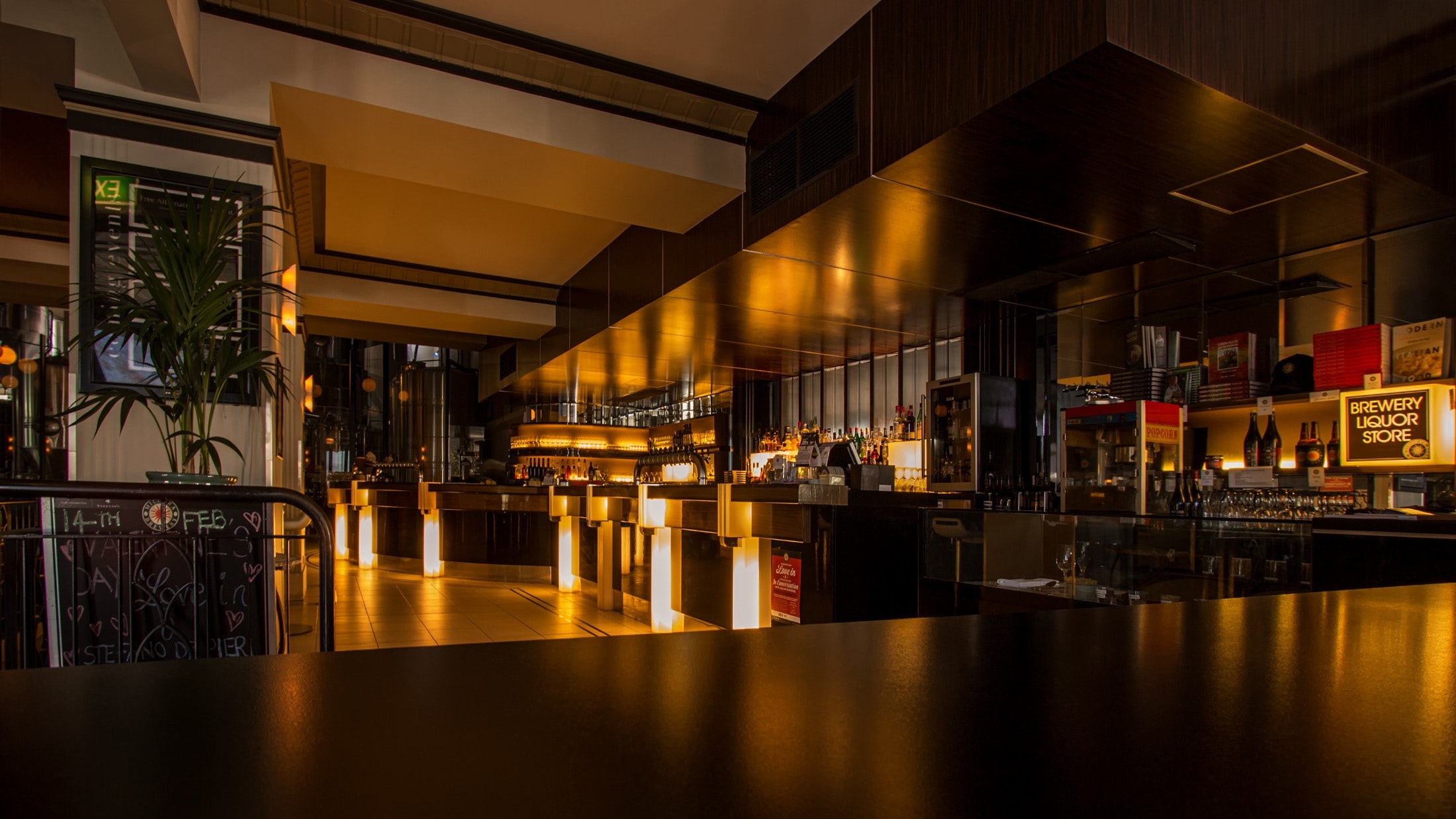
How do you set your restaurant apart?
Setting your restaurant apart is about creating a clear distinction between your venue and others. Many new restaurants try to recreate an existing model, changing only a few details. That isn’t innovation, and it doesn’t create a competitive advantage. A real competitive advantage, whether in design, finance or operations, must be distinctive and hard to imitate; one that is easy to copy is not an advantage at all.
Developing a unique selling proposition (USP) in an industry that has seen almost everything is difficult. A good strategy is to target a specific audience and use it as the focal point of your proposition. Meeting the needs of your target guest is always a strong tactic, even if it means adjusting parts of your business model or market positioning.

Who is your target customer?
The most important part of the process is identifying and then targeting a specific audience. Market research gives you a clear, unbiased picture of the market. The most productive approach is to visualize your guest in depth: imagine them sitting on your restaurant chairs at your tables. Ask yourself:
- Who are they, and how are they dressed?
- What do they like and dislike?
- What would catch their attention and make them choose your restaurant?
- How can you make their experience better, and what is the X-factor in their decision?
Focusing on your guests’ personality and needs will help you develop a unique selling proposition and a competitive advantage. Think creatively, be bold and take calculated risks; it is a high-risk industry.

Why does the theme need to be consistent?
Whether you are renovating or opening a restaurant, start by choosing a theme: fast food, casual dining, Italian, Indian and so on. Your concept should then carry through to the interior; a Chinese restaurant should not look like a pizza place. The theme should be obvious as soon as guests walk in, with sights and sounds that suit your type of restaurant. Match the look and feel of the venue with your branding: guests notice details, so your interior, packaging, menu, advertising, website and exterior should all work together.
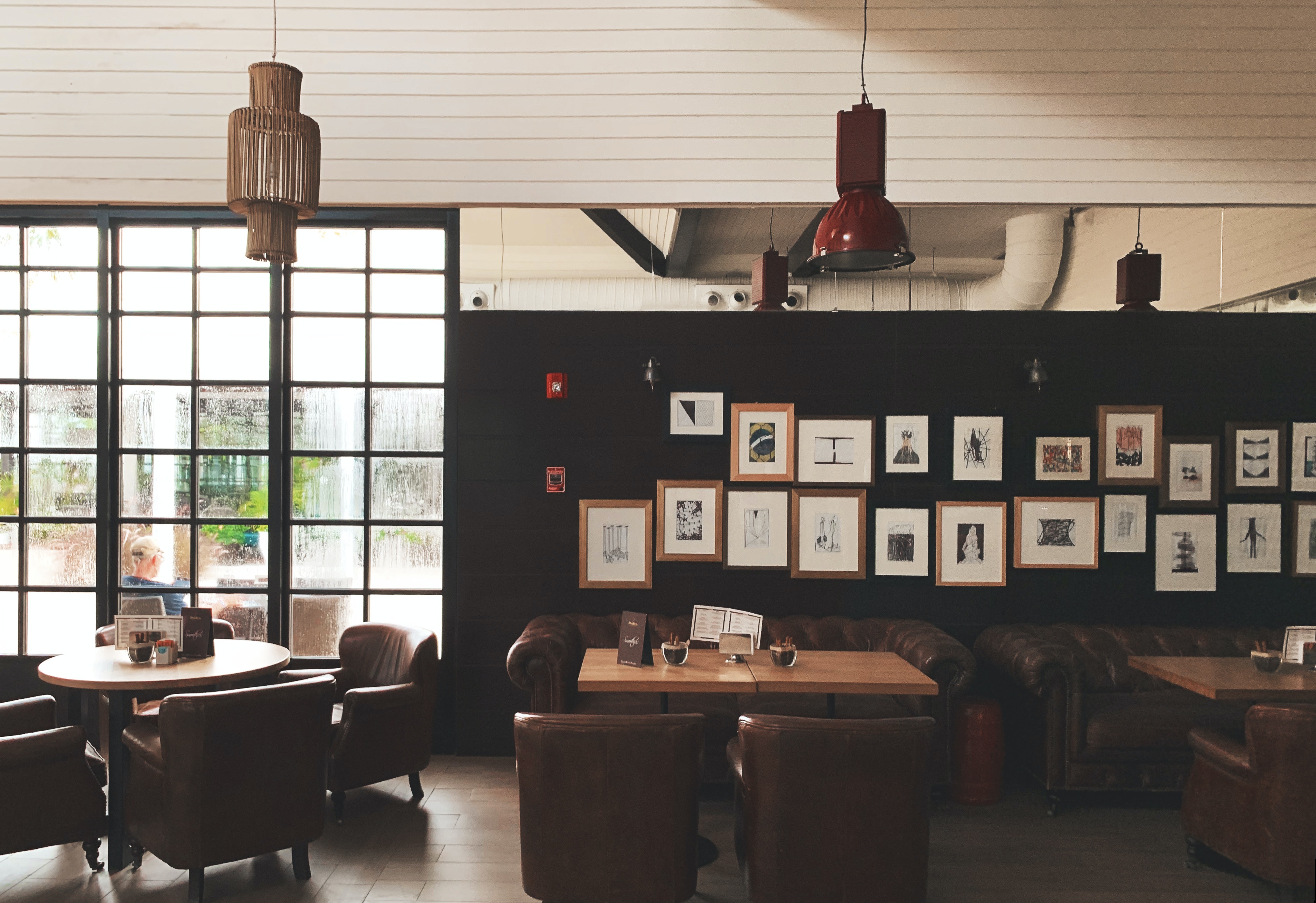
How do you design a comfortable interior?
Besides showcasing your concept and brand, your interior should prioritize guest comfort. The dining area must seat guests comfortably without feeling crowded, and staff must be able to move between tables and the kitchen freely and safely.
Dividing the venue into zones can give guests more privacy and make them feel more comfortable while they eat. Even a simple private room can add income, as guests book it for family celebrations and business meetings.
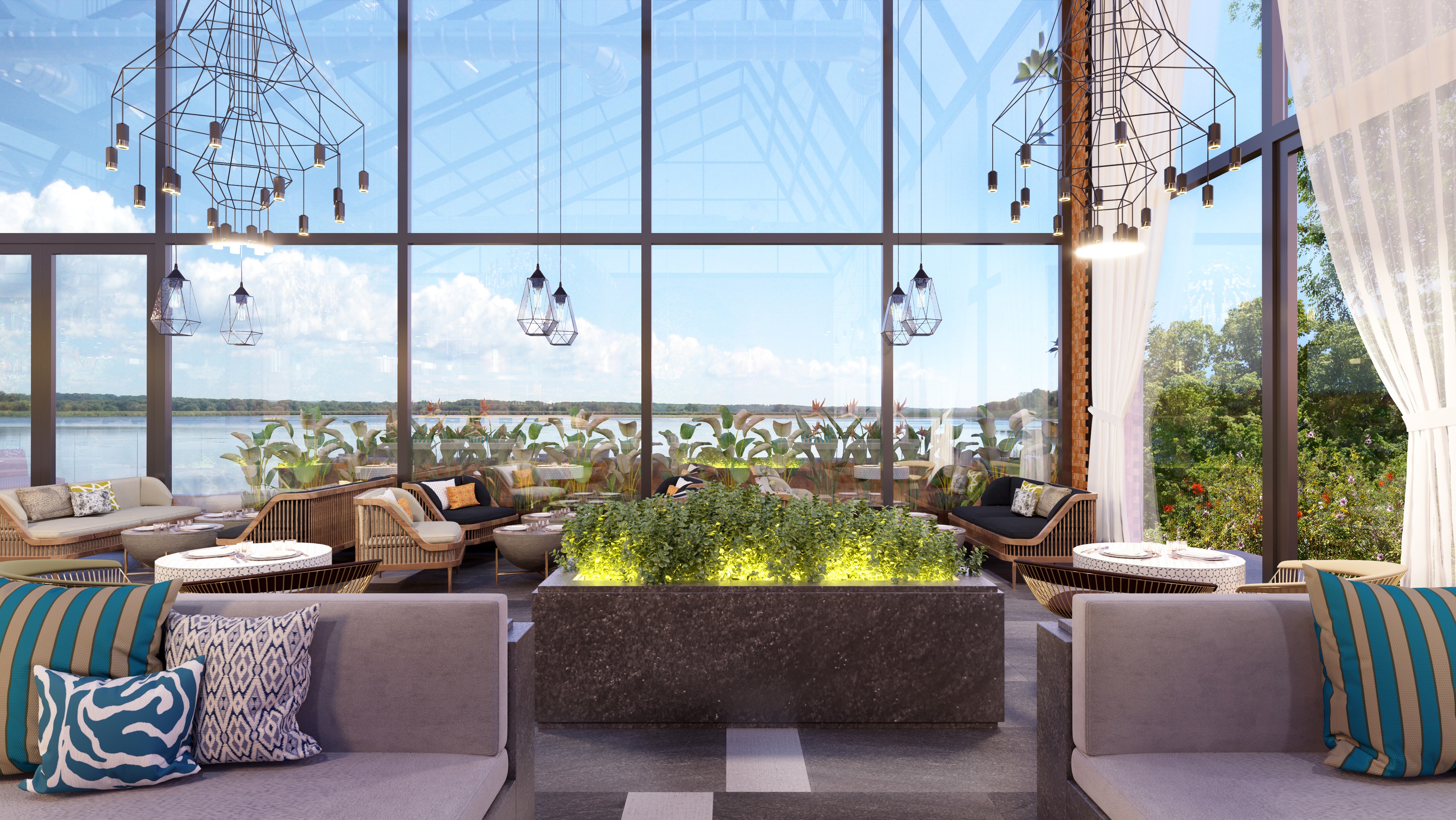
Designing a standalone restaurant involves many steps, and your concept drives most of them. A clear idea and a strong foundation make the design process easier and reduce problems later. Get the concept right and fixed before moving on to architectural plans and construction.
When your concept is set, choose furniture that expresses it: explore restaurant chairs, booths and banquettes for private zones, and restaurant tables in finishes that match your brand.
FAQ
How long does restaurant concept development take?
It can take from a few weeks to about six months, depending on your team’s creativity and experience with similar projects.
What is the difference between a restaurant concept and its theme?
The theme is the style and décor. The concept is broader: it includes vision, target guest, value proposition, branding, team, strategy and finances.
How can a restaurant stand out from competitors?
Target a specific audience, build a unique selling proposition around their needs, and keep the theme and branding consistent everywhere guests see it.


New


SeatingPoint 2010 - 2026 All rights reserved ©